


Product data governance in smart toys: who is responsible for technical data, firmware and compliance?

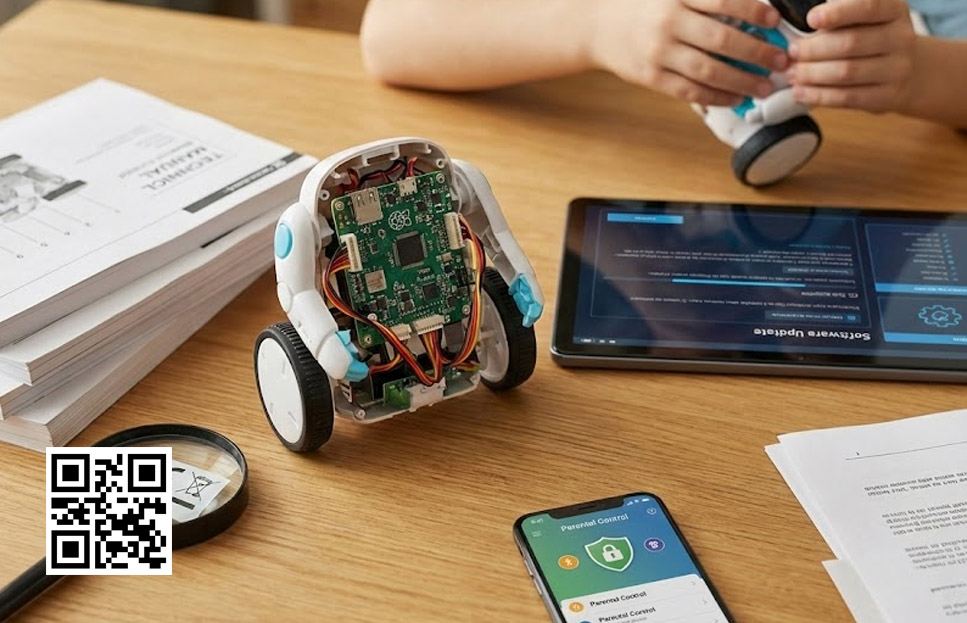
The smart toy market is growing faster today than any other segment of the children's industry. Interactive robots, app-controlled vehicles, smart plush toys or educational sets with elements of artificial intelligence are ceasing to be a technological curiosity and are becoming a standard offering in online and offline toy stores. The dynamic development of smart toys and IoT solutions in the children's industry means that a toy is no longer just a physical product. It is increasingly becoming an electronic device that generates data, communicates with a mobile app and requires software updates.
Today's children's toys are increasingly equipped with mobile apps, Bluetooth, WiFi modules, motion sensors, cameras, microphones and even artificial intelligence elements. From the user's point of view, this means greater product appeal and new opportunities for play. From the point of view of manufacturers, importers and retailers, however, it means a whole new level of responsibility. Smart toy doesn't end with the physical product in a box. It also includes software, technical data, firmware updates and the child's digital security.
As technology evolves, so do the requirements for data security, compliance with European Union regulations and product lifecycle management. Responsibility for a smart toy is no longer just about build quality or material certifications. It also includes issues of cyber security, software updates, application compatibility and transparency of technical information. Regulations such as GPSR, product safety directives and the growing demands of marketplaces are making product data management a major part of operating in the marketplace.
In practice, however, a fundamental question arises: who is realistically responsible for smart product technical data, firmware and regulatory compliance? Does the manufacturer who created the toy and software bear full responsibility? Or the importer who markets it in Europe? Or the online store or marketplace that presents the product to the end customer and sells it under its own brand name?
The problem of product data governance in smart toys is that the responsibility for product data is spread among several players in the supply chain. The manufacturer creates the technical documentation and firmware, the importer is responsible for compliance with EU regulations, the distributor passes the data on, and the retailer presents it to the end customer. If any part of this system fails, there is a risk of misinformation, outdated technical data or product safety issues.
In the world of smart toys, product data is not static. They change with updates to firmware, mobile apps and device features. A toy that works well today may need an update in a year's time or may no longer be supported by the manufacturer. This raises the question of long-term product responsibility and compliance with market requirements. Who should inform about updates? Who is responsible for the security of a child's data? Who bears the consequences if the software stops working?
In this article we will look at this issue from the perspective of product data governance in the smart toy industry. We will analyze who is responsible for product data, firmware and compliance with EU regulations at each stage of the supply chain. We will discuss the role of the manufacturer, importer, distributor, online store and marketplace. We will also show why product data governance is becoming one of the main challenges for companies in the technology toy industry and why it will determine safety, reliability and competitiveness in the marketplace in the coming years.
What is product data governance in the smart toys industry?
The development of smart toys and IoT products for children has made product data governance one of the areas of responsibility for manufacturers, importers and retailers. In traditional toys, it was enough to ensure material and mechanical compliance. With smart toys, the product functions simultaneously as an electronic device, a software system and a data source. This necessitates the introduction of conscious product information management, or product data governance.
Product data governance in the smart toys industry means comprehensive management of product data throughout the entire life cycle: from design and production, to import and distribution, to sales and after-sales support. This includes technical data as well as information on safety, regulatory compliance and software updates.
Definition of product data governance
Product data governance can be defined as a system for managing product data to ensure its accuracy, timeliness, consistency and security at every stage of market circulation. In the context of smart toys, this means not only control over sales descriptions, but more importantly over technical information, firmware, application compatibility and regulatory compliance.
Product data management involves the creation, storage, updating and distribution of product information to all players in the supply chain. This data must be consistent between the manufacturer, importer, distributor and store. Errors or outdated information can lead to legal problems, returns and loss of customer confidence.
The most important element of product data governance is accountability for technical information. Every smart product has a set of data that affects safe use and regulatory compliance. These include electronic parameters, application system requirements, battery information, wireless connections or software updates. This data must be accurate and available to all market participants.
Data timeliness and information security are another pillar of product data governance. In smart toys, product data is not static. They change with updates to firmware, mobile apps or system requirements. Failure to update can lead to product performance problems and even cyber security risks. That's why data management must be an ongoing process, not a one-time activity at product launch.
Why is it so important in smart toys?
In smart toys, product data governance becomes a critical element as the product functions as a technological system. Toys equipped with firmware, mobile apps and internet connectivity generate new risks and information obligations. Data governance is no longer just about physical parameters, but also about digital features and updates.
Firmware is the backbone of many smart toys. It is the software that controls a device's functions, security and application compatibility. Each firmware update can change the way a toy works, introduce new features or fix bugs. Failure to manage firmware information can lead to a situation where the user is unaware of the need to update or is using outdated software.
Mobile apps linked to toys are another area in need of data management. Many children's products only work in conjunction with an app on a smartphone or tablet. It is therefore necessary to inform about system compatibility, technical requirements and updates. If an app stops working on older devices or operating systems, the store and distributor should have up-to-date information.
Internet connectivity in smart toys also means cyber security risks. Products using WiFi, Bluetooth or the data cloud can collect information about the user, settings or activity. Managing this data and communicating about its security is becoming the responsibility of manufacturers and product marketers.
User data, especially from children, needs special protection. Smart toys can collect voice data, image data or activity information. It is therefore necessary to ensure transparency and compliance with privacy and digital security regulations. Product data governance also includes control over what data is collected and how it is used.
The difference between a regular toy and a smart toy
The difference between a traditional toy and a smart toy lies primarily in the presence of software and data. A classic toy functions as a physical product. Its parameters are fixed and do not change after purchase. In the case of a smart toy, the product has a digital layer that needs to be updated and managed.
Software in smart toys determines their functionality. It can include the control system, communication with the app, artificial intelligence elements or educational functions. This software must be updated and monitored for safety. Failure to update can result in errors or risks to the user.
Data generated by smart toys includes both technical parameters and usage information. They may relate to device settings, game progress or app communication. Managing this data requires proper procedures and accountability in the supply chain.
Updates are another element that differentiates smart toys from traditional toys. Firmware and apps require regular patches and new versions. Information about updates must be available to users and vendors. Lack of updates can affect product security and functionality.
Cyber security in smart toys is one of the industry's challenges today. Internet-connected products can be vulnerable to unauthorized access or data leaks. Product data governance therefore also includes control over digital security and regulatory compliance.
What product data needs to be managed and controlled?
In smart toys, the scope of data requiring management is much broader than in traditional products. It ranges from technical information to security, compliance and software operation data. Lack of control over this information can lead to errors in customer communication, legal problems and loss of trust.
Technical data and specifications
The basis of product data governance is product technical data. In smart toys, this includes electronic parameters, power requirements and connectivity features. Battery information is particularly important because it affects the safety of use and transportation. The type of battery, charging method and operating time must be clearly defined.
Connectivity is another important piece of technical data. Products may use Bluetooth, WiFi or other communication technologies. Information on range, compatibility and system requirements should be up-to-date and consistent across all sales channels.
Electronic parameters include voltage, power, motor type or controls. This data is important for both user and regulatory compliance. They must be consistent with the manufacturer's documentation and updated in case of changes.
Compatibility with mobile applications is another area requiring control. Information about the required operating system, app version or features available in a particular region should be clearly communicated. Lack of such data can lead to customer disappointment and returns.
Firmware and updates
Firmware is one of the most important product data elements in smart toys. It determines how the device works and its functionality. It is important to determine who is responsible for firmware updates and how they are communicated to users.
The frequency of updates should be clearly defined. Some products require regular security patches or new software versions. Information about updates should be available to importers, distributors and resellers.
In case of software bugs, it is necessary to quickly communicate information in the supply chain. If firmware causes product performance or safety problems, all those selling the product should know about the need for an update or batch recall.
Safety and compliance data
Compliance with EU regulations is one of the most important elements of product data governance. CE certifications confirm product compliance with safety requirements. RoHS directives address the restriction of hazardous substances in electronics. GPSR introduces new obligations related to product safety and information transparency.
Cyber security is becoming an increasingly important element of compliance. Smart toys connected to the Internet must meet requirements for data protection and user safety. Information about security, updates and privacy policies should be available to customers.
Marketing data vs. technical data
In smart toys, it is particularly important to distinguish between marketing data and technical data. The sales description is meant to encourage purchase, but it must be consistent with the actual functions of the product. Exaggerated or inaccurate messages can lead to complaints and legal problems.
Technical documentation should include detailed information on parameters and functions. Operating instructions must be up-to-date and available in the appropriate language. Safety warnings should be visible and in compliance with regulations.
Effective product data governance relies on the consistency of all these elements. Marketing, technical and regulatory data must form a single information system that ensures user safety and product compliance with market requirements.
Who is responsible for product technical data?
In the case of smart toys, responsibility for product technical data does not rest with a single entity. It's a system of communicating vessels that includes the manufacturer, importer, distributor and online store. Each of these entities is responsible for a certain amount of information and its validity. Lack of clear division of responsibility leads to communication errors, compliance problems and legal risks.
Management of product technical data in the smart toys industry must include documentation, firmware, safety information and regulatory compliance. This data should be consistent and up-to-date at every stage of distribution. If one part of the chain fails, the consequences can affect all market participants, including the store selling the product to the end customer.
Manufacturer
The manufacturer is the first and most important link responsible for a product's technical data. He is the one who creates the technical documentation, designs the firmware and is responsible for the functioning of the device. In smart toys, the manufacturer does not provide only the physical product, but also the software, applications and update system.
The technical documentation prepared by the manufacturer forms the basis for all subsequent players in the supply chain. It should contain detailed information about technical parameters, functions, power requirements, compatibility with applications and usage rules. Lack of precise documentation causes errors in marketing and sales communication.
Firmware is an integral part of a smart product and remains the property of the manufacturer. It is the manufacturer who is responsible for its stability, functionality and security. Each firmware update should be controlled and documented. Information about changes in the firmware must go to importers and distributors so that they can pass it on.
Product security also rests primarily with the manufacturer. This includes both physical and digital security. The manufacturer should conduct functional, compatibility and cybersecurity tests. These tests form the basis for certification and regulatory compliance. If a product fails to meet security requirements, the consequences can affect all market participants.
Importer
An importer bringing a smart toy to the EU market assumes much of the responsibility for the product's regulatory compliance. Even if the manufacturer is outside the EU, the importer becomes the entity responsible for ensuring that the product meets all regulatory requirements.
Compliance with EU regulations includes safety certificates, CE marking, compliance with RoHS directives and the new GPSR regulations. The importer must have documentation proving product compliance and make it available to regulatory authorities upon request. Lack of documentation may result in a product recall.
Translations of instructions and technical information are another responsibility of the importer. Product data must be available in the language of the country of sale. This includes operating instructions, warnings and information on smart features. Inaccurate translations can lead to errors in use and complaints.
Certificates and declarations of conformity should be kept and updated by the importer. In case of changes in firmware or product design, it may be necessary to reconfirm compliance. The importer also bears legal responsibility for the product placed on the EU market. If a product turns out to be non-compliant or unsafe, the importer is often the first recipient of claims.
Distributor and wholesaler
Distributors and wholesalers act as intermediaries in the transfer of technical data and documentation. Their responsibility is to ensure that the information provided to stores is up-to-date and consistent with the manufacturer's and importer's documentation.
The timeliness of data is of great importance. In the case of smart toys, technical parameters, application compatibility or functions can change with firmware updates. The distributor should receive updates from the manufacturer or importer and pass them on to the stores.
Information transfer includes not only marketing data, but especially technical documentation and warnings. Online stores base their descriptions on data from distributors. If the information is outdated or incomplete, it can lead to sales errors.
Manufacturer verification is another part of the distributor's responsibility. The wholesaler should make sure that the manufacturer has the required certifications and documentation. Marketing products without proper verification can expose the distributor to legal and reputational risks.
Online store
The online store is the last link in the chain, but from the customer's point of view it is the one responsible for the product. The presentation of the product in the store must be consistent with reality and technical documentation. Incorrect information can lead to complaints, returns and loss of trust.
Compliance of the description with the manufacturer's and importer's documentation is the responsibility of the seller. The store must not rely solely on marketing materials if they have not been verified. Information about smart features, application requirements or compatibility must be up-to-date.
Customer information should include warnings about safety, technical requirements and updates. In the case of smart toys, the customer needs to know if the product requires an app, internet access or a firmware update. Transparency of information increases trust and reduces the risk of complaints.
Firmware and updates - who is really responsible for them?
Firmware is one of the most sensitive components of smart toys. It is the software that controls a product's functions, safety and compatibility. Unlike traditional toys, firmware requires regular updates and checks. This raises the question of who bears the real responsibility for its maintenance.
The manufacturer as owner of the software
The manufacturer remains the owner of the software and is responsible for its updates. He is the one who develops the firmware, tests it and introduces patches. System updates may be for new features, operational stability or security. Information about updates should be communicated throughout the supply chain.
Software security is important in smart toys. Firmware should protect the device from unauthorized access and system errors. The manufacturer must monitor potential threats and respond to them through patches.
Software patches should be documented and communicated. Stores and importers need to know if a product needs to be updated to inform customers. Lack of communication in this regard can lead to problems with product performance.
What if a manufacturer disappears from the market
One of the biggest problems in the smart toys industry is when a manufacturer ceases to exist or withdraws support for a product. A lack of firmware updates can cause a toy to stop working or become unsafe.
No support means no security patches or application updates. In such a case, the question of legal liability arises. The customer is still using a store-bought product, and the importer or distributor may be held liable.
The legal risk in such situations is real. If a product generates a hazard or stops working, regulators may require a response from the marketer. The importer often becomes responsible for corrective action, even if the manufacturer has disappeared.
OTA updates and child safety
OTA updates, or remote software updates, are increasingly common in smart toys. They allow the manufacturer to make changes without physical access to the product. At the same time, they raise new privacy and security challenges.
Toys equipped with microphones, cameras or communication features require special data protection. Software updates can change how user data is processed. Information about such changes should be transparent.
Mobile apps associated with toys also need to be updated. If an app is no longer supported, product functionality may be reduced. It is the responsibility of the manufacturer to inform the user of this, but also the importer and seller.
Compliance with EU regulations and data security
The introduction of smart toys to the EU market entails compliance with a number of product and data security regulations. Compliance is no longer just about the physical design, but also about the software and the information provided to the user.
GPSR and new obligations for vendors
The GPSR regulation introduces new obligations regarding data transparency and product traceability. Vendors must provide access to manufacturer, importer and product safety information. This data must be up-to-date and accessible to customers and inspection authorities.
Product traceability means being able to determine a product's origin and history. In smart toys, this includes firmware and application versions. Documentation should be kept and updated by those in the supply chain.
Cyber security in smart toys
Cyber security is becoming one of the areas of regulation. Protection of child data, security of mobile applications and online connections require special attention. Smart toys connected to the Internet can collect sensitive data, so they must meet certain security standards.
Mobile apps should be regularly updated and secured. Online connections must be encrypted and protected from unauthorized access. Security information should be available to users.
Legal liability of the seller
A vendor that offers a smart toy is responsible for the accuracy of the information provided to the customer. Incorrect specifications, lack of warnings or outdated information can lead to claims and sanctions.
Lack of information about firmware updates or application requirements can be considered as misleading the customer. The vendor should therefore work with the importer and manufacturer to ensure that data is up-to-date.
In practice, the responsibility for product data governance in smart toys is diffuse, but real for each market participant. Only consistent product data management can ensure user safety and regulatory compliance.
The most common mistakes in smart toys data governance
The growth of smart toys and IoT products in the children's industry has made product data management an important component of security and compliance. Despite this, many companies still treat product data in a manner typical of traditional toys. Lack of procedures, outdated technical information or copying descriptions without verification lead to mistakes that can have legal and reputational consequences.
In smart toys, technical data, firmware and documentation are not static. They change with software updates and regulatory requirements. Companies that have not implemented a systematic approach to product data governance risk complaints, product recalls and loss of customer trust.
Failure to update technical data
One of the most common mistakes in smart toys data management is the failure to update technical information. Many stores and distributors use data received from the manufacturer at the time of product launch, but fail to update it in the following months. Meanwhile, technical parameters, application compatibility or software features can change.
Failure to update leads to a situation where the customer receives a product that works differently than described on the store's website. This may relate to the system requirements of the application, firmware version or available features. The result is complaints and loss of trust.
The timeliness of technical data should be monitored throughout the product life cycle. In smart toys, product information changes more frequently than in traditional toys. Lack of control over this process is one of the biggest risks for stores and importers.
Copying descriptions without verification
Copying descriptions from manufacturers or other sellers without verification is another common problem. It is a common practice in the e-commerce industry, but in the case of smart toys it can lead to serious consequences. Marketing descriptions from manufacturers do not always take into account local regulations, language requirements or current product features.
Unverified information may contain errors regarding functionality, application compatibility or security. The store that publishes such data is responsible for its accuracy. In the event of an inspection or complaint, failure to verify may be considered negligence.
Proper product data governance requires checking and confirming data before publication. The sales description should be consistent with technical documentation and current information from the manufacturer or importer.
No information on firmware
Firmware is an integral part of smart toys, yet it is one of the most often overlooked elements of product communication. Many stores do not inform customers about the software version, the need for updates or manufacturer support. Meanwhile, firmware directly affects the functionality and safety of the toy.
Lack of information about firmware can lead to misunderstandings and complaints. The customer may not know that the product needs to be updated or that certain functions only work with a certain version of the application. In extreme cases, outdated firmware can cause data security problems.
Transparency in firmware should include information about updates, application compatibility and manufacturer support. This is an element that will be increasingly required by regulations and the marketplace in the coming years.
Outdated certifications
Safety certifications and declarations of conformity are a mandatory part of product launches in the EU. In the case of smart toys, they cover both physical and electronic safety. A common mistake is to use outdated certifications or fail to update them after product changes.
Changing electronic components, firmware or communication functions may require a reassessment of compliance. If the documentation is not updated, the product may no longer meet regulatory requirements. Responsibility in such a situation falls on the importer or marketer of the product.
Regular verification of certificates and declarations of conformity should be standard in product data management. Lack of control in this area increases the risk of sanctions and product recalls.
Lack of accountability in the supply chain
The biggest problem in product data governance is the lack of clearly defined responsibility in the supply chain. The manufacturer, importer, distributor and store often assume that someone else is responsible for the data. As a result, information is outdated or inconsistent.
The lack of accountability leads to information chaos. A store may publish marketing data from a distributor, which in turn relies on outdated materials from the manufacturer. The customer receives conflicting information, and in the event of problems, it is difficult to determine the source of the error.
Effective product data management requires clearly defined roles and procedures. Everyone in the supply chain should know which information they are responsible for and when they need to update it.
How to implement product data governance in a store or wholesaler?
Implementing product data governance in the smart toy industry is not a one-time activity, but a process that requires a systematic approach. A store or wholesaler that wants to operate professionally and in compliance with regulations should create product data governance procedures. This avoids mistakes, increases security and builds customer confidence.
Central product database
The basis for effective data management is a central product database. It should contain all technical, marketing and legal information on smart toys. The data must be up-to-date and accessible to sales, marketing and customer service departments.
A central database avoids information chaos and discrepancies between sales channels. Every update to firmware, certifications or product features should be entered in one place and automatically update descriptions in the store.
PIM system or similar solutions for product information management are becoming a standard in professional companies. They allow you to control the data and ensure its consistency.
Verification of manufacturers
The store or wholesaler should verify manufacturers and importers for technical documentation and regulatory compliance. Verification should include certificates, declarations of conformity, and firmware and application information.
Working with manufacturers that do not provide complete documentation increases legal risks. Therefore, it is necessary to define standards that suppliers must meet. Professional data management begins at the stage of selecting business partners.
Firmware and documentation updates
Regular monitoring of firmware and documentation updates is a major component of product data governance. The store or distributor should receive information about new software versions, feature changes and application updates.
These updates should be communicated to customers in a transparent manner. The information on the product page must be up to date. Otherwise, there is a risk of complaints and loss of trust.
Compliance procedures
Compliance procedures should include inspection of documentation, certificates and technical information. Every smart product introduced should go through a verification process. This includes checking CE markings, declarations of conformity and GPSR requirements.
These procedures should be documented and applied consistently. This avoids accidentally introducing a product that does not meet regulatory requirements.
Product data audit
A regular audit of product data helps detect outdated information and errors. It should include technical descriptions, certifications, firmware and application compatibility information. The audit can be conducted periodically or with each major update of the offering.
A data audit increases the security and professionalism of the store. It also helps build competitive advantage through transparency and regulatory compliance.
Why will product data governance become the standard for the toy market?
In the coming years, product data governance will become one of the important standards of the toy industry, especially in the smart toys segment. This is due to the growing number of technological products, new regulations and customer expectations.
Growing number of smart toys
The number of smart toys and IoT products for children is growing every year. Interactive robots, app-controlled vehicles and smart educational kits are becoming standard. Each of these products generates data and requires technical information management.
As technology grows, so does the complexity of the products. Software, applications and upgrades are becoming an integral part of the offering. Product data management is therefore becoming a necessity rather than an option.
EU requirements and marketplace
EU regulations, such as GPSR, are introducing new obligations for product transparency and traceability. Marketplaces are also tightening requirements for technical and safety data. Stores that do not meet these requirements may lose the ability to sell.
Product data governance helps meet these requirements and avoid legal problems. Companies that implement proper procedures earlier will gain an advantage in the marketplace.
Safety of children and data
Children's safety and data protection are becoming a priority in the smart toys industry. Parents expect products that are both physically and digitally safe. Transparency of information and timeliness of data build trust in the brand.
A store or manufacturer that can manage and communicate product data in a professional manner gains a competitive advantage. Customer trust becomes one of the most important sales factors.
Competitive advantage for professional stores
Product data governance will become a differentiating element for professional stores and distributors. Companies that implement systemic product data governance will be seen as more reliable and secure.


